Imperial Beach Real Estate & Water Quality 2026
Imperial Beach, Real Estate, Water Quality, 2026 Updates
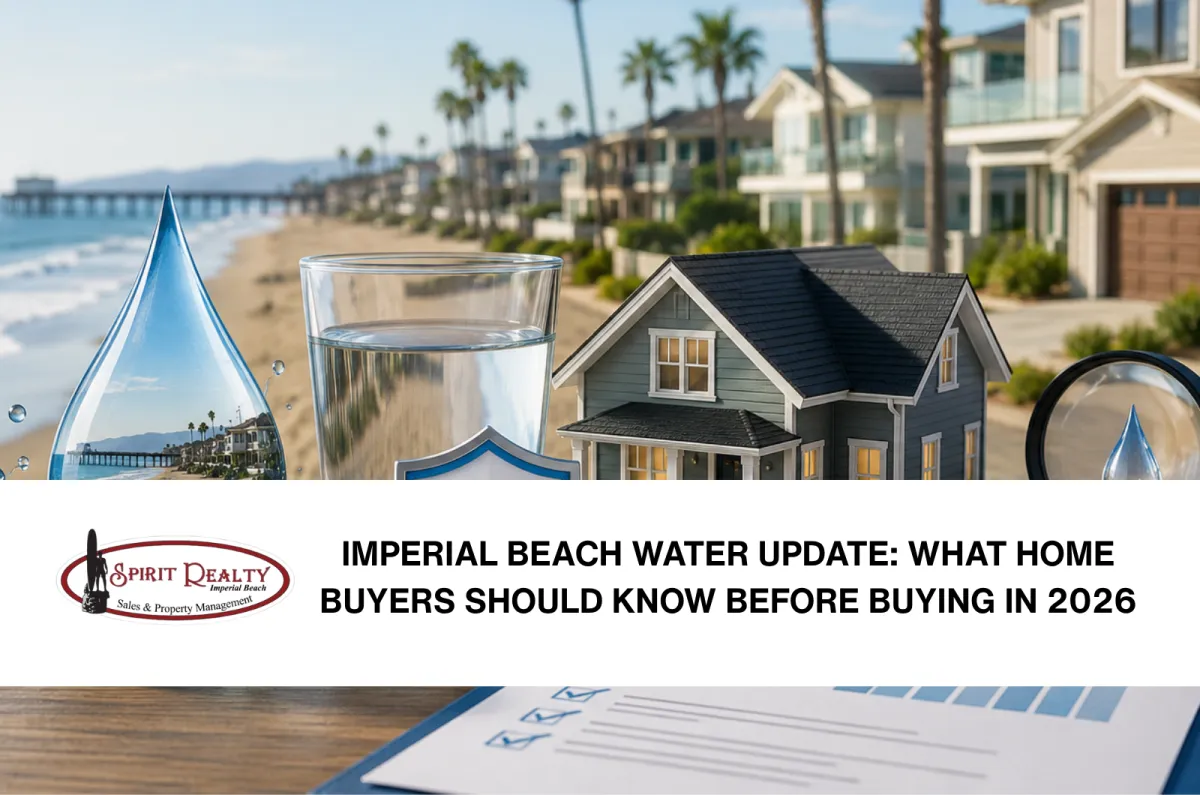
Imperial Beach Water Update: What Home Buyers Should Know Before Buying in 2026
Thinking about buying a home in Imperial Beach in 2026? The city still offers a rare mix of small‑beach‑town charm and San Diego convenience, but ongoing water quality challenges mean today’s home buyers need to dig deeper than just ocean views and list prices. Here’s a clear, research‑based guide to the current beach conditions, water quality, and real estate trends so you can make an informed decision.
Why Imperial Beach Still Attracts Home Buyers in 2026
Imperial Beach has long appealed to buyers who want a more laid‑back, authentic coastal lifestyle than you’ll find in many other Southern California beach cities. It’s the southernmost beach town on the West Coast, bordered by the Pacific Ocean, the Tijuana River National Estuarine Research Reserve, and San Diego Bay, offering sweeping views, walkable streets, and a strong surf culture.
On the real estate side, the market remains strong in mid‑2026. Median sale prices hover in the mid‑$800,000s to low‑$900,000s depending on the data source, with Redfin reporting a median around $852,000 and Zillow estimating average values near $858,000. Homes often sell in a matter of weeks, and military buyers drawn by proximity to Naval Base Coronado and other installations make up roughly 60% of purchasers during peak PCS season. For many buyers, Imperial Beach still represents a relatively accessible entry into San Diego coastal real estate compared with pricier neighbors like Coronado or La Jolla.
The 2026 Reality: Beach Conditions and Water Quality Closures
The major caveat for 2026 home buyers is beach water quality. As of late July and early August 2026, San Diego Coastkeeper reports that the ocean shoreline from the south end of Seacoast Drive to north of Carnation Avenue in Imperial Beach is closed to water contact due to an “imminent health threat” linked to sewage or chemical pollution. Community reports echo the same message: closures and warnings extend along the Tijuana Slough, Imperial Beach shoreline, and even up toward Silver Strand, primarily due to contamination from the Tijuana River.
Importantly, the closure does not mean the beach itself is off‑limits. Residents and visitors still enjoy walking the sand, watching sunsets from the pier, and using the beachfront parks. Lifeguards remain on duty from 7 a.m. until dusk year‑round, with portable towers deployed across key access points in summer. However, the current guidance is clear: avoid swimming, surfing, or any water contact until advisories are lifted. For home buyers who imagined daily ocean dips or teaching kids to surf in front of their condo, this is a meaningful lifestyle consideration.

Persistent sewage‑related closures mean 2026 buyers must plan for limited safe water access.
What’s Behind the Pollution? Understanding the Tijuana River Issue
The core driver of Imperial Beach’s water quality problems is transboundary pollution from the Tijuana River watershed. The river flows north from Mexico, carrying stormwater and, far too often, untreated or partially treated sewage and industrial waste. When heavy rains or infrastructure failures occur south of the border, contaminated flows reach the Tijuana River Estuary and the nearshore ocean, degrading beach water quality in Imperial Beach and beyond.
The City of Imperial Beach has been outspoken about this crisis, lobbying federal, state, and regional agencies for years. A city‑issued Sewage FAQ, updated in June 2026, outlines the ongoing advocacy, legal actions, and infrastructure proposals aimed at reducing cross‑border pollution. Meanwhile, the San Diego Regional Water Quality Control Board has proposed increasing bacteria monitoring at key points such as Dairy Mart Bridge on the Tijuana River from quarterly to weekly sampling. That means more timely data but also more frequent confirmation when conditions are unsafe.
📌 Key Takeaway: The pollution is largely regional and systemic, not caused by local homeowners or businesses in Imperial Beach. But its impacts are felt directly on the shoreline that residents use and value.
What the Data Says About Water Quality Performance
Beyond the closures, long‑term monitoring data underscores why water quality is such a concern. According to California’s 2026 Integrated Report, the Pacific Ocean shoreline at the Imperial Beach Pier shows elevated levels of Enterococcus, a key indicator of fecal pollution. Over the assessment period, the six‑week rolling geometric mean threshold was exceeded in 31 out of 341 samples. Total coliform levels important for shellfish safety also exceeded guidelines in 14 out of 107 samples. As a result, this stretch of shoreline remains listed as “impaired” under Section 303(d) of the Clean Water Act, triggering the need for targeted cleanup plans.
For a prospective home buyer, you don’t need to memorize these statistics, but you should understand what they signal: chronic, not occasional, water quality problems. While some days may test clean enough for contact, the trend line remains poor as of August 2026, and agencies continue to treat the situation as a serious public health concern.
2026 Beach Conditions: Weather, Surf, and On‑Shore Lifestyle
The frustrating part for locals is that, aside from water quality, beach conditions in Imperial Beach are often idyllic. Early August 2026 looks like a textbook Southern California summer: daytime highs around 24–26 °C (mid‑70s °F), nights in the high 60s, and about nine hours of sunshine a day. Sea surface temperatures sit near 20 °C (68 °F), and rainfall is almost nonexistent this time of year. Recent high surf and minor coastal flooding advisories from late July had largely faded by the first week of August, leaving behind warm, dry, and visually stunning beach days.
Many residents adapt by embracing an “on‑shore” lifestyle. Instead of swimming, they walk or run along Seacoast Drive, enjoy outdoor dining near the pier, or take advantage of nearby bayfront trails and parks that are unaffected by ocean closures. If you’re considering buying in 2026, it’s worth asking yourself: Would I still value living here if the ocean is more often for looking at than swimming in? If the answer is yes, Imperial Beach can still deliver a rich coastal experience despite the current water quality limitations.
How Water Quality Is (and Isn’t) Affecting Imperial Beach Real Estate
Given the headlines, many outsiders assume Imperial Beach real estate must be struggling. The data tells a more nuanced story. Prices in 2026 are up modestly year‑over‑year, and some spring months even set new median price records near or just under $1 million, especially in beachfront and Seacoast submarkets. Inventory remains relatively tight, and homes in desirable locations can still attract multiple offers, particularly from well‑qualified VA buyers and investors looking for long‑term appreciation or rental income.
That said, rising inventory Realtor.com reports more than a 30% increase in homes for sale compared with last year and slightly longer days on market in some segments hint that buyers are becoming more selective. For some, ongoing beach closures are a reason to consider inland neighborhoods within Imperial Beach that offer easier access to freeways, schools, and the bay, rather than paying a premium solely for oceanfront proximity. Others may negotiate more aggressively on price or request seller credits, citing the uncertainty around future water quality improvements.
💡 Pro Tip for Home Buyers: Ask your agent to pull sales data comparing oceanfront and inland Imperial Beach homes over the past 12–24 months. Look for any widening price gap that might reflect how buyers are currently valuing direct beach access versus broader neighborhood amenities.
Due Diligence Checklist: Questions to Ask Before You Buy in 2026
How often is the beach closed near this property? Check recent advisory histories from San Diego Coastkeeper and the County Department of Environmental Health for the nearest monitoring station.
What’s my primary reason for buying here? If daily ocean recreation is non‑negotiable, you may want a backup plan, such as access to pools, bayfront recreation, or other nearby beaches that may test cleaner more often.
How might this affect rental potential? Short‑term renters may be more sensitive to closures than long‑term tenants who value location, commute, and community over water contact.
What cleanup and infrastructure projects are in the pipeline? Ask your agent or the city about current federal funding, cross‑border agreements, and planned upgrades. Long‑term improvements could support appreciation, even if conditions are difficult today.
Does the homeowners association (if any) address beach conditions? Some coastal HOAs share regular updates, provide alternative amenities, or advocate collectively on behalf of residents.
Balancing Risk and Reward: Is Buying in Imperial Beach in 2026 Right for You?
Ultimately, the decision to buy in Imperial Beach in 2026 comes down to your priorities, time horizon, and risk tolerance. If you’re looking for a flip or a short‑term speculative play, the uncertainty around water quality and regulatory responses may feel too unpredictable. But if you’re a long‑term owner, especially someone who values community, walkability, and proximity to both San Diego and the border, Imperial Beach can still be a compelling choice, even with imperfect beach conditions.
Many locals view the current period as a difficult chapter in a longer story of environmental restoration. Increased monitoring, stronger cross‑agency coordination, and growing public pressure on both sides of the border suggest that water quality is not being ignored. While no one can guarantee when closures will ease, the direction of policy and investment points toward eventual improvement. Buyers who understand the risks but also believe in the long‑term potential of this unique coastal city may find opportunities that more cautious shoppers overlook.
Final Thoughts for 2026 Home Buyers
Imperial Beach in 2026 is a study in contrasts: a warm, sunny, walkable beach town with an active real estate market and a shoreline that is too often unsafe for water contact. If you’re clear‑eyed about the water quality challenges, stay plugged into 2026 updates from trusted agencies, and work with a local real estate professional who understands both the market and the environmental context, you can still find a home that fits your lifestyle and long‑term goals.
Before you write an offer, spend time on the ground: walk the neighborhoods at different times of day, talk to residents, read recent city council materials on Tijuana River pollution, and review beach advisory histories. Imperial Beach rewards buyers who do their homework. With the right expectations and a realistic understanding of current beach conditions and water quality, you can decide whether this distinctive corner of the San Diego coast is the right place to put down roots in 2026 and beyond.