2026 Guide: Renovating Fixer-Uppers in Imperial Beach
Real Estate, Imperial Beach, Fixer-Uppers, VA Buyers, Investors
Buying a Fixer-Upper in Imperial Beach in 2026: What Buyers Should Know Before They Renovate
In 2026, Imperial Beach is still one of San Diego County’s most approachable coastal markets, but “affordable” is relative when the median sale price hovers around the mid-$800,000s. For real estate investors, first-time buyers willing to renovate, VA and military buyers, and San Diego relocators, fixer-uppers can look like the last doorway into this beach community. But as Deborah reminds local clients every week, a lower purchase price does not automatically mean a better investment. The numbers only work when you carefully consider purchase price, renovation budget, timeline, financing, property condition, and your long-term goals.
Is buying a fixer-upper in Imperial Beach worth it in 2026?
Imperial Beach’s 2026 market is a mix of strong demand and growing inventory. Redfin reports a median sale price around $859,000 with homes still moving quickly earlier in the year, while Realtor.com shows more listings and longer days on market by mid-year. That shift gives buyers more leverage on homes that need work, especially properties with outdated finishes, poor layouts, or deferred maintenance that many turnkey buyers will skip.
For the right buyer, a fixer-upper can be worth it because:
You may get into Imperial Beach at a lower entry price than fully renovated homes.
You can add value through smart improvements that match local buyer and renter preferences (open layouts, updated kitchens, usable outdoor space, and parking).
Rental demand and above-average local rents, around $2,900 per month according to Zillow, can help support a long-term hold strategy if you renovate thoughtfully.
However, Deborah’s local angle is clear: the “deal” only works when you look beyond sticker price. A home that’s $75,000 cheaper than a nearby turnkey listing might need $200,000 in work, plus months of carrying costs and stress. In a market where quality and livability are driving performance, overpaying for problems, or underestimating renovation costs, can erase any discount you thought you were getting.
📌 Key Takeaway: In 2026 Imperial Beach, a fixer-upper is only “worth it” if the total package, purchase price, renovation budget, timeline, and exit strategy, makes financial and lifestyle sense for you.
How do you estimate renovation costs before making an offer?
Renovation costs in Imperial Beach and greater San Diego are significantly higher than the national average. Local data shows typical remodels ranging from roughly $37,000 to $50,000, with many projects landing between $15,000 and $75,000. For larger whole-home remodels, San Diego contractors often quote $100–$300 per square foot for cosmetic to mid-range work, and much more for down-to-studs or structural changes. That means an 1,800-square-foot serious remodel can easily run into the high $200,000s or more, depending on scope and finishes.
Before you write an offer, use a simple but disciplined process:
Walk the property with a renovation checklist. Note obvious items: roof age, windows, HVAC, electrical panel, plumbing, foundation clues (cracks, sloping floors), kitchen and bath condition, and any signs of moisture or termite damage common in coastal areas.
Assign ballpark ranges. For early estimates, you might use: cosmetic refresh (paint, flooring, basic fixtures) at $30,000–$60,000, full kitchen $20,000–$50,000, bathrooms $10,000–$25,000 each, plus roof, systems, and exterior as needed. Multiply by local per-square-foot ranges for larger projects.
Get at least one contractor walk-through. For serious interest, Deborah often coordinates a contractor visit during your inspection contingency, so you can refine numbers before you remove contingencies or renegotiate.
Layer in soft costs. Include permits, design fees if needed, temporary housing if the home is unlivable during work, and higher insurance during construction.
💡 Pro Tip: Use conservative numbers. In San Diego County, it’s safer to estimate toward the higher end of local ranges and be pleasantly surprised than to chase a deal that only works if everything goes perfectly.
What inspections should fixer-upper buyers prioritize?
In a coastal community like Imperial Beach, inspections are your best defense against expensive surprises. At a minimum, Deborah encourages fixer-upper buyers to prioritize:
General home inspection: A broad look at structure, roof, electrical, plumbing, HVAC, and safety issues. This identifies most big-ticket systems and obvious defects.
Termite and pest inspection: Termite damage and dry rot are common in older beach-area homes. Treating and repairing structural wood can be a major expense if you skip this step.
Sewer line inspection: A camera scope of the sewer line can reveal root intrusion, breaks, or sagging. Repairing or replacing a line in an older neighborhood can cost tens of thousands of dollars.
Roof evaluation: If the general inspector flags roof concerns, bring in a roofing specialist to price repair versus replacement, especially important with coastal exposure and wind.
Foundation or structural engineer (if needed): If there are cracks, sloping floors, or addition work that looks DIY, a structural opinion is worth every dollar.
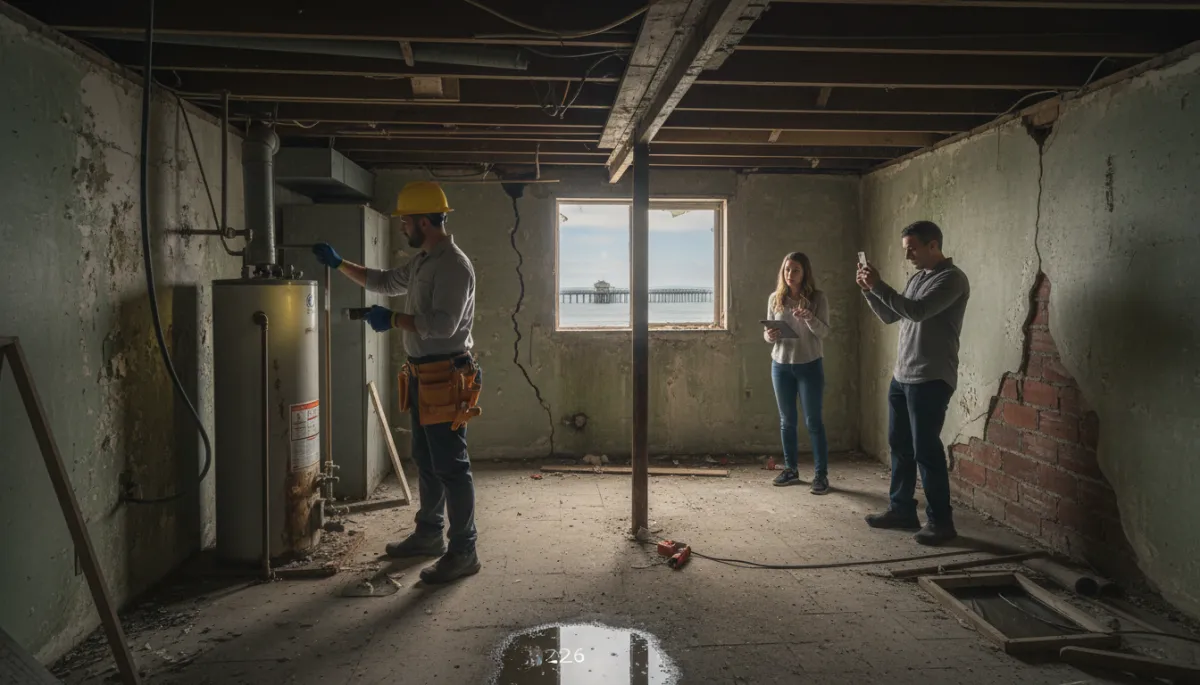
Thorough inspections help you price repairs accurately and negotiate with confidence.
How much should you budget for unexpected repairs?
Even with excellent inspections and solid contractor bids, renovation projects almost always reveal hidden issues once walls are opened or older systems are tested more thoroughly. In Imperial Beach, where many homes were built decades ago and weathered beach conditions, it’s wise to build a generous contingency into your plan.
A practical rule of thumb:
For cosmetic and light updates, set aside at least 10–15% of your total renovation budget for surprises.
For older homes, structural work, or projects involving plumbing and electrical, aim for a 15–25% contingency, especially if the home has additions, unpermitted work, or visible signs of past water damage.
Deborah often walks buyers through “worst reasonable case” scenarios: What if the subfloor under the bathroom is rotten? What if the electrical system needs a full upgrade to meet current code? Building those possibilities into your numbers upfront helps you avoid stretching your finances thin mid-project or being forced to cut corners on quality.
Can you use a VA loan to buy a home that needs work?
Many Imperial Beach buyers are active-duty military or veterans, and VA loans are a powerful tool in this market. You can use a VA loan to buy a home that needs work, but there are important caveats. Standard VA loans require the property to meet the VA’s Minimum Property Requirements (MPRs): the home must be safe, structurally sound, and sanitary. That means a severely distressed property may not pass a VA appraisal without repairs completed first.
For homes that need moderate improvements, some lenders offer a VA renovation (or rehab) loan, which can allow you to finance both the purchase and certain repairs in one loan. Key points typically include:
You must be VA-eligible and obtain a Certificate of Eligibility (COE).
Improvements usually must be permanent and increase the home’s value or bring it up to VA standards, think kitchens, baths, roofs, HVAC, and safety-related repairs, not luxury add-ons.
Work must be completed by a licensed contractor, not DIY, within a set timeline defined by the lender.
The loan amount is based in part on the after-renovation value, as determined by a VA appraisal.
Requirements and availability can vary by lender and can change over time, so it’s essential to speak with a VA-approved lender early. Deborah regularly partners with local VA lenders who understand Imperial Beach inventory and can quickly tell you which fixer-uppers are realistic candidates for VA financing and which are better suited for other loan products or cash-heavy buyers.
What should investors consider before renovating and reselling?
For investors eyeing Imperial Beach as a flip or value-add opportunity, the 2026 market demands precision. High-quality renovated homes in walkable, livable locations still command strong prices, but buyers are more discerning, and holding costs add up quickly if your project drags on or misses the mark with finishes or layout.
Before committing, investors should carefully evaluate:
All-in cost: Purchase price + renovation budget + 15–25% contingency + closing costs + holding costs (taxes, insurance, utilities, interest).
Realistic resale value: Use recent comps for similar-sized, similarly finished homes in comparable micro-neighborhoods, not just the highest sale on record. Deborah can help you identify which sales truly match your planned product.
Timeline risk: In San Diego County, permitting, contractor availability, and material delays can stretch projects beyond initial expectations. Each extra month eats into your profit.
Exit flexibility: If the resale market softens, could you pivot to a long-term or mid-term rental strategy at local rent levels and still cash flow or at least break even?
In a market where quality matters, cutting corners to save money can backfire. Buyers compare your renovated property to other move-in-ready homes, so thoughtful design, durable materials, and functional layouts are essential to achieving your target resale price.
How do you evaluate the home’s potential after improvements?
Whether you’re an investor, a VA buyer, or a first-time homeowner, you should always think in terms of the property’s after-improvement potential, not just what it is today. Deborah typically walks clients through three lenses:
Location and lot: Is the home in a desirable pocket of Imperial Beach for your strategy, near the beach, schools, or main corridors? Is the lot usable, with potential for outdoor living, ADU space, or better parking?
Layout and livability: Can you reasonably open up the floor plan, add a second bathroom, or create a proper primary suite within your budget? Homes that feel bright, open, and functional will always compete better than those with chopped-up rooms and awkward additions.
Comparable renovated sales and rents: Look at what similar homes have sold or rented for after renovation. This helps you model your after-repair value (ARV) and, for investors and landlords, potential income at Imperial Beach rent levels.
The goal is to see the property not as it is, with peeling paint and dated tile, but as it could be with the right improvements, then work backward to decide whether the numbers justify the vision.
When does a fixer-upper make sense for your goals?
A fixer-upper isn’t automatically the right move just because it’s cheaper on paper. It makes sense when it aligns with your goals, risk tolerance, and lifestyle. Deborah encourages buyers to think through these scenarios:
First-time or move-up buyers: A fixer can work if you have some savings beyond your down payment, flexibility in your move-in timeline, and a clear plan for phased improvements. If every dollar is going into closing and you need a move-in-ready home immediately, a heavy project may be too stressful and risky.
VA and military buyers: Because PCS timelines and deployment schedules can be tight, lighter cosmetic fixers often make more sense than full gut renovations. VA loan requirements and appraisal standards also limit how rough the property can be. A home that needs paint, flooring, and a kitchen refresh can be a great opportunity; a home with major structural issues may not be worth the complexity during a busy move.
Investors: A fixer makes sense when your projected profit or equity build justifies the time, capital, and risk, and when you have a backup plan if the market shifts. Thin margins or over-optimistic ARVs are red flags in a market transitioning toward balance.
Across all buyer types, the same core truth applies: a low purchase price alone does not make a smart buy. You need to weigh:
Purchase price relative to current condition and comparable homes.
Renovation budget including contingency and soft costs.
Timeline for permits, construction, and move-in or resale.
Financing options (conventional, VA, renovation loans, or cash) and how they interact with the property’s condition.
Property condition and any major risks flagged during inspections.
Resale or ownership goals, are you building long-term equity, creating a rental, or aiming for a short-term flip?
📌 Key Takeaway: The right Imperial Beach fixer-upper is one where the numbers, the condition, and your personal goals all line up, not just the list price.
Ready to explore fixer-uppers in Imperial Beach?
Navigating a fixer-upper in Imperial Beach in 2026 requires more than scrolling listings and guessing at renovation costs. You need local insight into which streets and pockets are performing best, an honest assessment of property condition, realistic contractor-level budgeting, and a clear strategy that fits your financing and timing, especially if you’re using a VA loan or relocating on a tight schedule.
Deborah combines on-the-ground knowledge of Imperial Beach with a numbers-driven approach that helps buyers see beyond the “before” photos. Whether you’re an investor hunting for your next project, a first-time buyer willing to roll up your sleeves, a VA or military buyer trying to maximize your benefit, or a San Diego relocator looking for coastal value, she can help you decide which fixer-uppers are truly worth your time, and which ones to walk away from.
If you’re thinking about buying a fixer-upper in Imperial Beach, let’s run the numbers together and build a plan that fits your budget, timeline, and goals. Call or text Deborah at 619-884-8783 or email [email protected] to discuss your Imperial Beach strategy and explore which properties might be the right fit for your next chapter.
Frequently Asked Questions About Imperial Beach Fixer-Uppers
How long does a typical fixer-upper renovation take in Imperial Beach?
Light cosmetic updates: 4–8 weeks. Mid-range remodels: 3–6 months. Major renovations or additions: 6–12+ months, depending on permits and complexity.
💡 Pro Tip: Always pad your timeline for permits, inspections, and contractor or material delays.
Is it better to live in the home during renovations or move out?
Live in the home for light cosmetic work to save money. Move out or delay move-in for full kitchen/bath remodels or major system upgrades where utilities and daily living will be heavily disrupted.
Are there specific Imperial Beach neighborhoods that are better for fixer-uppers?
Generally, look near Seacoast Drive and the beach or along main corridors with strong resale and rental demand. Street-by-street performance matters, so reviewing recent comps with a local agent is key.
What are the biggest renovation mistakes Imperial Beach buyers make?
Common mistakes include underestimating San Diego–area costs, over-improving for the neighborhood, skipping key inspections like sewer or termite, and focusing on surface upgrades instead of layout and livability.
📌 Key Takeaway: Prioritize function, durability, and what local buyers and renters actually value.
Can I add an ADU to my Imperial Beach fixer-upper?
Often yes, but it depends on lot size and setbacks, zoning and current city rules, and utility capacity. Always confirm feasibility with local planners, architects, or ADU specialists before baking ADU income into your numbers.
How competitive are offers on Imperial Beach fixer-uppers in 2026?
Well-priced light fixers in good locations still attract strong interest. Heavier projects needing major work tend to sit longer, creating more room to negotiate. A clear renovation budget and solid pre-approval (VA, renovation loan, or conventional) help you write strong, realistic offers.
Sources
Redfin – Imperial Beach, CA Home Prices & Sales Data: https://www.redfin.com/city/9201/CA/Imperial-Beach/housing-market
Realtor.com – Imperial Beach, CA Real Estate Market Overview: https://www.realtor.com/realestateandhomes-search/Imperial-Beach_CA/overview
Zillow – Imperial Beach, CA Rental Market & Typical Rents: https://www.zillow.com/imperial-beach-ca/home-values/
U.S. Department of Veterans Affairs – VA Home Loan Program & Minimum Property Requirements: https://www.benefits.va.gov/homeloans/
California Contractors State License Board – Hiring Licensed Contractors & Typical Project Considerations: https://www.cslb.ca.gov